
Call us now :08045478631
 Send Inquiry
 Send Inquiry
Lacerated Wound Of Scalp Caused By An Ekka Wheel
MOQ : 10 Units, ,
Lacerated Wound Of Scalp Caused By An Ekka Wheel Specification
- Use
- Hospital and Forensic
- Material
- PVC
- Shape
- Rectangular
- Color
- Multicolor
- Advantage
- For Educational
Lacerated Wound Of Scalp Caused By An Ekka Wheel Trade Information
- Minimum Order Quantity
- 10 Units, ,
- Payment Terms
- Cash in Advance (CID), Cheque, Cash Advance (CA)
- Supply Ability
- 10 Units, , Per Day
- Delivery Time
- 2-3 Days
- Sample Available
- Yes
- Sample Policy
- Sample costs shipping and taxes has to be paid by the buyer
- Packaging Details
- Box
- Main Export Market(s)
- Western Europe, Australia, North America, Eastern Europe, Middle East, Central America, Africa, South America, Asia
- Main Domestic Market
- All India
About Lacerated Wound Of Scalp Caused By An Ekka Wheel
The Lacerated Wound Of Scalp Caused By An Ekka Wheel that we provide to our customers is widely used in various labs, schools, institutions, etc for study and research purposes. Made of the best quality PVC, it is resistant to shock, impact, heat, moisture and always provides excellent structural integrity. The different parts of this model can be taken apart, in order to closely examine and study the model. We provide this Lacerated Wound Of Scalp Caused By An Ekka Wheel in various different specifications according to the needs of our customers.
High-Quality PVC Material
The model is crafted from robust PVC, ensuring durability and longevity for repeated use in hospital and forensic educational settings. The material allows for detailed anatomical accuracy and easy cleaning, making it an ideal educational resource that withstands the demands of frequent handling and demonstrations.
Effective Educational Tool
Created to simulate a lacerated scalp wound caused by an Ekka wheel accident, this model facilitates thorough understanding of trauma evaluation. Its multicolored design helps distinguish various tissue layers, improving visual comprehension for medical professionals and forensic students during practical sessions.
FAQ's of Lacerated Wound Of Scalp Caused By An Ekka Wheel:
Q: How is the Lacerated Wound Of Scalp Model used in hospitals and forensic labs?
A: The model is utilized for skill training, wound assessment practice, and forensic analysis demonstrations. It enables learners and practitioners to simulate real-world trauma scenarios and refine their diagnostic skills in controlled settings.Q: What advantage does this model offer for educational purposes?
A: Its realistic appearance and anatomical detailing enhance hands-on learning, making complex scalp injuries easier to understand. The visual aids support lectures, workshops, and practical courses, ensuring better knowledge retention among students.Q: When should the Lacerated Wound Of Scalp Model be used during training?
A: This model is ideal for medical and forensic training sessions, first-aid workshops, anatomy classes, and assessment exercises that focus on trauma and wound management. It is best employed whenever real-life wound scenarios need to be demonstrated safely.Q: Where can this wound model be sourced in India?
A: The model is available through authorized distributors, exporters, manufacturers, suppliers, and traders across India. Procurement information can be accessed through medical supply channels or educational catalogues specializing in training aids.Q: What is the process for maintaining the PVC wound model?
A: After each use, the model should be cleaned with mild disinfectant and wiped dry to maintain hygiene. Proper storage in a cool, dry place helps preserve its multicolor detailing and material integrity for long-term usage.Q: Which benefits do users gain from this scalp wound model?
A: Users benefit from improved training effectiveness, enhanced visual and tactile learning, authentic trauma simulations, and a safer way to educate students and professionals about scalp wound assessment without exposing individuals to real injuries.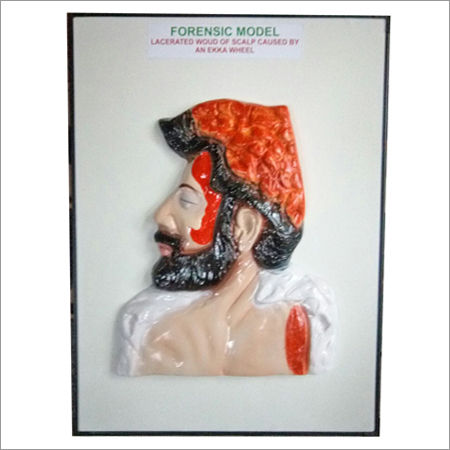
Tell us about your requirement

Price:
Quantity
Select Unit
- 50
- 100
- 200
- 250
- 500
- 1000+
Additional detail
Mobile number
Email

More Products in Forensic Departmant Equipments Category
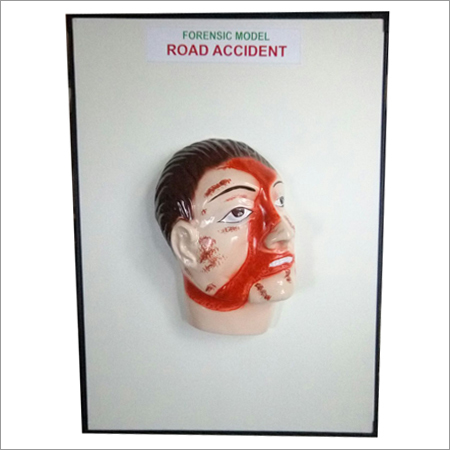
Road Accident
Price 4500 INR
Minimum Order Quantity : 10 Units, ,
Material : PVC
Advantage : For education purpose
Color : White and Red
Use : Hospital and Forensic Lab
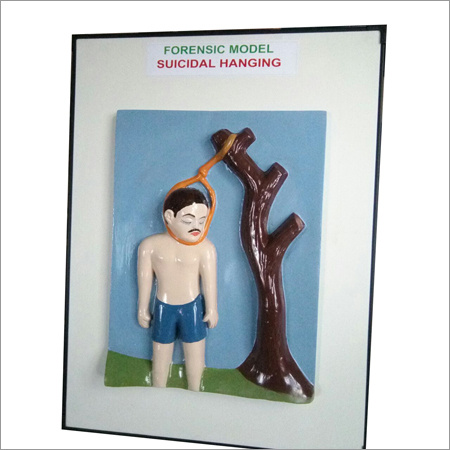
Suicidal Hanging
Price 2000 INR
Minimum Order Quantity : 10 Units, ,
Material : PVC
Advantage : For Educational
Color : Multicolor
Use : Hospital and Forensic
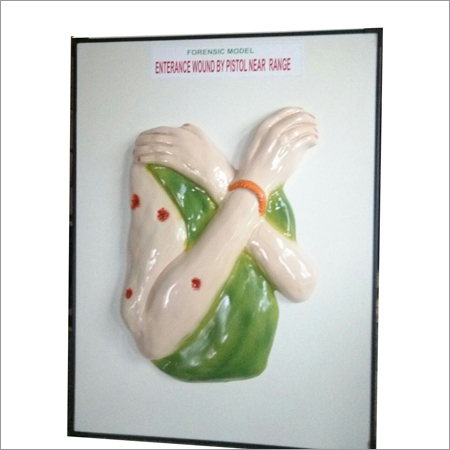
Entrance Wound By Pistol Near Range
Price 3200 INR
Minimum Order Quantity : 10 Units
Material : PVC
Advantage : For Education
Color : Cream and Green
Use : Hospital and Forensic
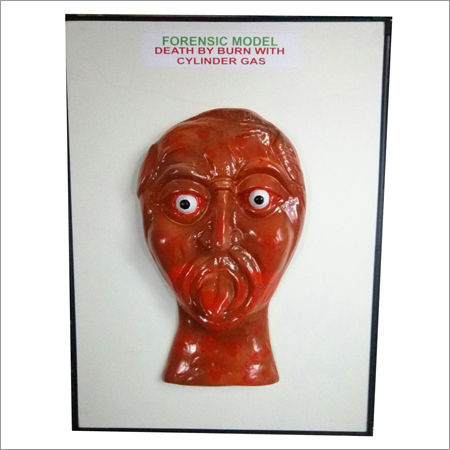
Death By Burn With Cylinder Gas
Price 5000 INR
Minimum Order Quantity : 10 Units
Material : PVC
Advantage : For Education
Color : Orange
Use : Hospital and Forensic

 Send Inquiry
Our Products
- Agriculture Testing Equipment
- Models of Animal Husbandry
- Biology Equipments
- Chemistry Equipments
- Forensic Departmant Equipments
- Geographical Items
- Mathematics Equipment
- Medical Equipment
- Pharmacy Equipment
- Physics Equipment
- Models of Sanitary Department
- Models of Solar Equipment
- Survey Equipment
- Visual Aids
- Electronics Lab Equipments
- Laboratory and Scientific Equipment
- Hospital Furniture
- Lab Ovens
- Centrifuge
- Incubator
- Glassware
- Microscope
- Engineering Lab Equipment


4375, Science Market,Ambala Cantt - 133001, Haryana, India

Mr Umesh Gupta
(Proprietor)
Mobile :08045478631
 Send Inquiry
 Send SMS
 Call Me Free
Developed and Managed by Infocom Network Private Limited.
