
Call us now :08045478631
 Send Inquiry
 Send Inquiry
Grain Size Analysis (Pipette Method) For Testing Lab
MOQ : 10 Pieces
Grain Size Analysis (Pipette Method) For Testing Lab Specification
- Voltage
- 230 V
- Power Supply
- 230 V AC, 50 Hz
- Power Consumption
- Low (Approx. 50W)
- Usage
- Laboratory
- Product Type
- Grain Size Analysis
- Material
- Stainless steel
- Size
- Standard laboratory dimensions
- Style
- Benchtop analytical equipment
- Weight
- 40-100 Kilograms (kg)
- Feature
- Accurate sedimentation analysis
- Color
- Mustard
- Pipette Capacity
- Up to 10 ml
- Calibration
- Provided with calibration chart and instructions
- Temperature Control
- Equipped with temperature maintenance for consistent readings
- Glassware Included
- Graduated cylinder, pipettes, stirring equipment, thermometer
- Measuring Range
- Silt and clay sized particles (<0.075 mm)
- Test Method
- Pipette Method (Sedimentation technique for fine soils)
- Compliance
- IS:2720 (Part 4), ASTM D422 or similar international standards
- Application
- Determines the particle size distribution of fine-grained soils
- Construction
- Corrosion-resistant stainless steel body for durability
- Digital Readout
- Optional
- Accessories
- Includes sedimentation cylinder, pipettes, stand, and stop cock
Grain Size Analysis (Pipette Method) For Testing Lab Trade Information
- Minimum Order Quantity
- 10 Pieces
- Payment Terms
- Cash Advance (CA), Telegraphic Transfer (T/T), Cash in Advance (CID), Cheque
- Supply Ability
- 10 Pieces Per Day
- Delivery Time
- 2-3 Days
- Sample Available
- Yes
- Sample Policy
- Sample costs shipping and taxes has to be paid by the buyer
- Packaging Details
- Box.
- Main Export Market(s)
- Australia, North America, Eastern Europe, Central America, Africa, Middle East, South America, Western Europe, Asia
- Main Domestic Market
- All India
About Grain Size Analysis (Pipette Method) For Testing Lab
Purchase the latest Grain Size Analysis (Pipette Method) equipment to take advantage of supreme accuracy in testing silt and clay-sized particles (<0.075 mm). Engineered for remarkable consistency, this sterling laboratory device features a corrosion-resistant stainless steel body and advanced temperature control for reliable sedimentation results. Every unit is supplied with comprehensive glassware (including pipettes, cylinders, thermometer, and stirring equipment) and adheres to stringent IS:2720 (Part 4) and ASTM D422 standards. Benefit from clear digital readouts (optional), easy calibration, and complete accessory kits. Ideal for testing labs seeking durable, low-power, benchtop solutions for particle size distribution analysis.
Precise Analysis for Fine Soil Testing Applications
The Grain Size Analysis (Pipette Method) instrument is sterling for laboratory applications in geotechnical engineering, environmental research, and construction projects. Specifically designed for analyzing the particle size distribution of fine soils, it ensures supreme accuracy in classifying silt and clay particles. Its usage extends to soil investigation at construction sites, university research facilities, and testing laboratories. This equipment is vital in environments where precise soil composition determination is critical to project success and quality control.
Secure Packaging and Trusted Domestic Distribution
Each Grain Size Analysis (Pipette Method) For Testing Lab unit is securely packaged to ensure safe shipment to any domestic mar. As one of India's leading manufacturers, suppliers, and distributors, we offer the equipment at an asking price competitive within the industry and supported by full IS:2720 (Part 4) and ASTM D422 certification. Our trusted logistic partners guarantee timely delivery for every shipment. Comprehensive documentation and a calibration chart are always included for client assurance.
Precise Analysis for Fine Soil Testing Applications
The Grain Size Analysis (Pipette Method) instrument is sterling for laboratory applications in geotechnical engineering, environmental research, and construction projects. Specifically designed for analyzing the particle size distribution of fine soils, it ensures supreme accuracy in classifying silt and clay particles. Its usage extends to soil investigation at construction sites, university research facilities, and testing laboratories. This equipment is vital in environments where precise soil composition determination is critical to project success and quality control.
Secure Packaging and Trusted Domestic Distribution
Each Grain Size Analysis (Pipette Method) For Testing Lab unit is securely packaged to ensure safe shipment to any domestic mar. As one of India's leading manufacturers, suppliers, and distributors, we offer the equipment at an asking price competitive within the industry and supported by full IS:2720 (Part 4) and ASTM D422 certification. Our trusted logistic partners guarantee timely delivery for every shipment. Comprehensive documentation and a calibration chart are always included for client assurance.
FAQ's of Grain Size Analysis (Pipette Method) For Testing Lab:
Q: How does the pipette method determine fine particle distribution in soil samples?
A: The pipette method analyzes fine-grained particles in soil by using sedimentation principles. Soil suspensions are allowed to settle, and samples are extracted at specific depths and intervals using a pipette. The mass concentration at each interval indicates particle size distribution of silt and clay particles (<0.075 mm).Q: What are the main benefits of using this Grain Size Analysis equipment in testing labs?
A: Labs enjoy remarkable precision, reliable temperature control, and consistent results. The corrosion-resistant stainless steel construction ensures durability, while accessories like pipettes and graduations cylinders enable accurate sedimentation measurements. The device complies with international standards for credibility.Q: Where is this Grain Size Analysis (Pipette Method) set most commonly used?
A: This equipment is typically used in soil and materials testing laboratories, geotechnical engineering firms, environmental research agencies, and academic institutions requiring precise analysis of fine-grained soil composition.Q: What process is followed for calibration and maintenance of this equipment?
A: Each unit is provided with a detailed calibration chart and step-by-step instructions. Routine maintenance involves cleaning the stainless steel and glassware components and verifying the temperature control for consistent, accurate readings.Q: When should the pipette method be used over other grain size analysis methods?
A: The pipette method is recommended when fine-grained soils, particularly silt and clay fractions, require detailed analysis. It provides more accurate results for smaller particles than sieve analysis, making it ideal for clayey or silty soils.Q: How does temperature control enhance the accuracy of sedimentation analysis?
A: Maintaining a consistent temperature ensures the viscosity of the soil suspension remains stable, which is crucial for the reliability and repeatability of sedimentation-based measurements.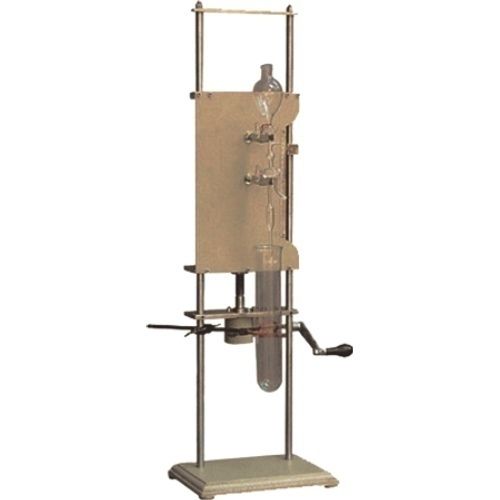
Tell us about your requirement

Price:
Quantity
Select Unit
- 50
- 100
- 200
- 250
- 500
- 1000+
Additional detail
Mobile number
Email

More Products in Pharmacy Equipment Category
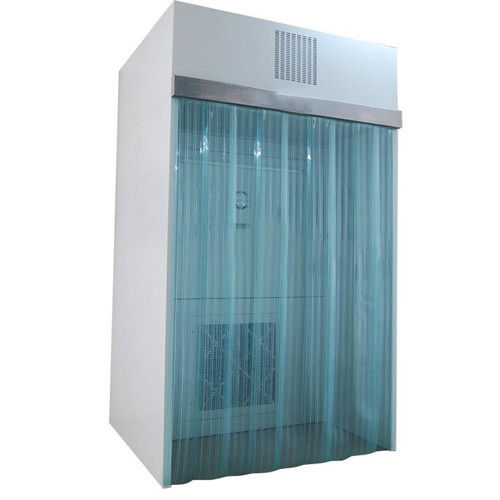
Dispensing Sampling Booth
Price 3000 INR
Minimum Order Quantity : 10 Units
Material : Metal
Color : White
Usage : Pharmaceutical, Chemical, and Laboratory Applications
Weight : 180 350 kg (Depending on Size)
Biomedical Waste Sterilizer
Price 1800 INR
Minimum Order Quantity : 10 Pieces
Material : Metal
Color : Cream
Usage : Laboratory
Weight : 40120 Kilograms (kg)

Human Eye 6 Parts Anatomy Model
Price 2800 INR
Minimum Order Quantity : 10 Pieces
Material : Plastic And Fibre
Color : Multicolor (Realistic anatomical shades)
Usage : Laboratory
Weight : 23 Kilograms (kg)
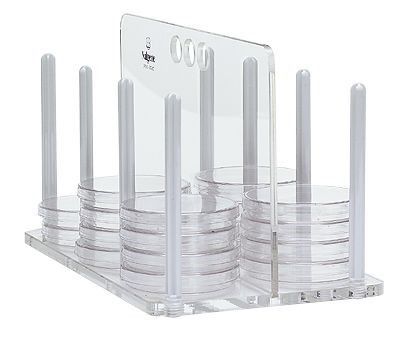
Petri Dish Rack
Price 3500 INR
Minimum Order Quantity : 1 Piece
Material : Glass
Color : Transparent
Usage : For Dish
Weight : 12 Kilograms (kg)

 Send Inquiry
Our Products
- Agriculture Testing Equipment
- Models of Animal Husbandry
- Biology Equipments
- Chemistry Equipments
- Forensic Departmant Equipments
- Geographical Items
- Mathematics Equipment
- Medical Equipment
- Pharmacy Equipment
- Physics Equipment
- Models of Sanitary Department
- Models of Solar Equipment
- Survey Equipment
- Visual Aids
- Electronics Lab Equipments
- Laboratory and Scientific Equipment
- Hospital Furniture
- Lab Ovens
- Centrifuge
- Incubator
- Glassware
- Microscope
- Engineering Lab Equipment


4375, Science Market,Ambala Cantt - 133001, Haryana, India

Mr Umesh Gupta
(Proprietor)
Mobile :08045478631
 Send Inquiry
 Send SMS
 Call Me Free
Developed and Managed by Infocom Network Private Limited.
