
Call us now :08045478631
 Send Inquiry
 Send Inquiry
Flat Flask
MOQ : 10 Pieces
Flat Flask Specification
- Usage
- For Chemistry Lab
- Product Type
- Flat Flask
- Material
- Glass
- Size
- 8-10 Inch
- Style
- Traditional Laboratory Flask
- Weight
- Approx. 120-180 g
- Feature
- Uniform wall thickness, Chemical resistant, Leak Proof
- Color
- Transparent
- Shape
- Flat Bottom
- Graduation Marking
- No Graduation
- Application
- Mixing, Heating, and Storing Chemical Solutions
- Neck Type
- Narrow Neck
- Heat Resistance
- Up to 250°C
- Autoclavable
- Yes
- Packaging Type
- Carton/Box Packaging
- Capacity
- 250 ml to 500 ml
Flat Flask Trade Information
- Minimum Order Quantity
- 10 Pieces
- Payment Terms
- Telegraphic Transfer (T/T), Cash in Advance (CID), Cheque, Cash Advance (CA)
- Supply Ability
- 10 Pieces Per Day
- Delivery Time
- 2-3 Days
- Sample Available
- Yes
- Sample Policy
- Sample costs shipping and taxes has to be paid by the buyer
- Packaging Details
- Thermocol Packaging
- Main Export Market(s)
- Western Europe, Australia, North America, Eastern Europe, Africa, Middle East, South America, Asia, Central America
- Main Domestic Market
- All India
About Flat Flask
Made of the best quality borosillicate glass, the offered Flat Flask is known in the market for its perfect design, resistance to damage by chemicals, clear scale marking, resistance to thermal shock and other such factors. This flask is mainly used in various labs, schools, institutions, etc for the storing, mixing, heating and other such process of different kinds of chemicals and compounds. The narrow neck and flat bottom design of our Flat Flask makes it very easy to handle and use.
Exceptional Heat and Chemical Resistance
These flat flasks are capable of withstanding temperatures up to 250C, making them ideal for various laboratory processes involving heating and chemical reactions. Their chemical-resistant glass material maintains integrity and clarity, ensuring consistency and safety during usage.
Optimal Design for Laboratory Efficiency
Featuring a traditional laboratory flask style with a flat base and narrow neck, these flasks provide stability and ease of handling. The uniform wall thickness ensures even heat distribution, while the leak-proof design minimizes the risk of spills in your work area.
FAQ's of Flat Flask:
Q: How should I properly use a flat flask in a chemistry lab?
A: To use the flat flask, pour your chemical solution into the flask via the narrow neck for mixing or storage. Place the flask on a stable, flat surface, especially during heating, as the flat bottom provides better stability. Handle with care to prevent damage and always ensure the flask is clean before and after use.Q: What chemical solutions can these flasks safely contain?
A: The glass material is highly resistant to most standard laboratory chemicals, making it suitable for a wide range of acidic, basic, or neutral chemical solutions. It is not recommended for use with hydrofluoric acid or extremely aggressive chemicals that corrode glass.Q: When is it necessary to autoclave the flat flask?
A: Autoclaving is recommended whenever sterility is required, such as before mixing sensitive solutions or after use with biological substances. The flask's autoclavable nature allows for repeated sterilization cycles without compromising material integrity.Q: Where is this flat flask most beneficial in laboratory workflows?
A: The flat flask is particularly beneficial for tasks requiring heating, mixing, or storing chemical solutions in chemistry labs, educational institutions, research centers, and industrial laboratories due to its versatile, heat-resistant, and durable design.Q: What is the process for cleaning and maintaining the flat flask?
A: After each use, thoroughly rinse the flask with laboratory-grade detergent and water. For stubborn residues, use suitable glassware cleaning brushes. Dry the flask completely before storage to prevent contamination. Regular inspection for cracks ensures safe usage.Q: What are the key benefits of using this flat flask over other laboratory flasks?
A: The uniform wall thickness promotes even heating, the flat bottom provides excellent stability, and the narrow neck limits evaporation and contamination risk. Its chemical-resistant, leak-proof build and autoclavability make it a reliable choice for rigorous lab environments.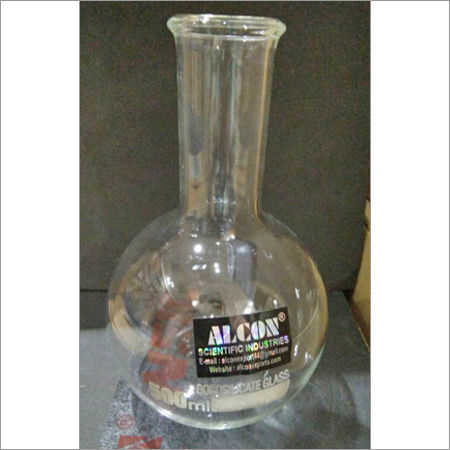
Tell us about your requirement

Price:
Quantity
Select Unit
- 50
- 100
- 200
- 250
- 500
- 1000+
Additional detail
Mobile number
Email

More Products in Chemistry Equipments Category
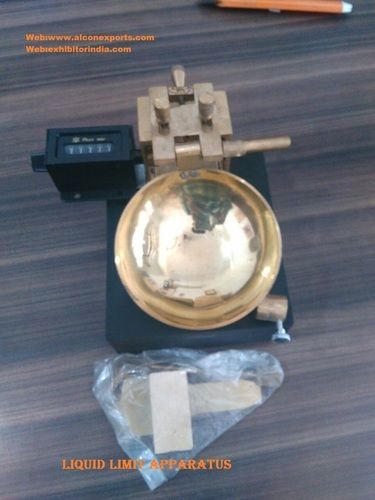
Liquid Limit Appartus
Price 3200 INR
Minimum Order Quantity : 10 Units
Weight : 1 Kilograms (kg)
Material : Stainless Steel and Brass
Color : Golden and Black
Product Type : Liquid Limit Appartus
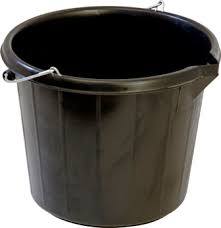
PAIL, OR BUCKET, POLYTHENE
Price 4000 INR
Minimum Order Quantity : 10 Units
Weight : Approx. 300500 gm
Material : Plastic
Color : Black
Product Type : Bucket
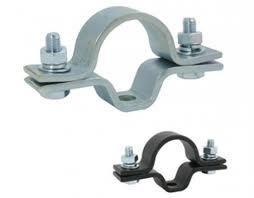
TEST TUBE CLAMP
Price 1800 INR
Minimum Order Quantity : 10 Pieces
Weight : Approx 50 grams
Material : Stainless steel
Color : Silver
Product Type : Test Tube Clamps,
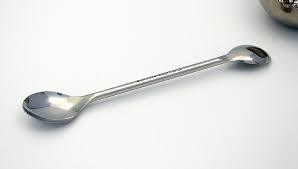
SPATULAS WITH SPOON
Price 3500 INR
Minimum Order Quantity : 10 Units
Weight : Lightweight
Material : Stainless Steel
Color : Silver
Product Type : Spatulas

 Send Inquiry
Our Products
- Agriculture Testing Equipment
- Models of Animal Husbandry
- Biology Equipments
- Chemistry Equipments
- Forensic Departmant Equipments
- Geographical Items
- Mathematics Equipment
- Medical Equipment
- Pharmacy Equipment
- Physics Equipment
- Models of Sanitary Department
- Models of Solar Equipment
- Survey Equipment
- Visual Aids
- Electronics Lab Equipments
- Laboratory and Scientific Equipment
- Hospital Furniture
- Lab Ovens
- Centrifuge
- Incubator
- Glassware
- Microscope
- Engineering Lab Equipment


4375, Science Market,Ambala Cantt - 133001, Haryana, India

Mr Umesh Gupta
(Proprietor)
Mobile :08045478631
 Send Inquiry
 Send SMS
 Call Me Free
Developed and Managed by Infocom Network Private Limited.
