
Call us now :08045478631
 Send Inquiry
 Send Inquiry
Eye Model
MOQ : 10 Units
Eye Model Specification
- Use
- For Biology Use
- Weight
- Approx. 300g
- Surface Finish
- Smooth Painted Finish
- Assembly
- Pre-assembled
- Size
- Life-Size
- Style
- Anatomical Model
- Model No
- EM-101
- Features
- Detachable Parts, Demonstrates Internal Anatomy
- Type
- Human Eye Model
- Material
- High-Quality PVC Plastic
- Dimensions
- Standard Life Size
- Shape
- Round
- Color
- Red & Cream
- Function
- Light Weight
- Age
- Suitable for All Ages (Educational Use)
- Advantage
- Durable and Reusable
- Application
- Biology Lab, Medical College, Doctor Demonstration
- Movable Parts
- Yes, for Detailed Study
- Educational Use
- Ideal for Classroom Demonstration and Teaching
- Sections Shown
- Cornea, Iris, Lens, Vitreous Body, Retina, Sclera, Optic Nerve
- Packaging
- Box Packed
- Cleaning Instructions
- Wipe with Soft Damp Cloth
- Languages Supported
- English Labels
- Number of Parts
- 6 Removable Parts
Eye Model Trade Information
- Minimum Order Quantity
- 10 Units
- Payment Terms
- Telegraphic Transfer (T/T), Cash in Advance (CID), Cheque, Cash Advance (CA)
- Supply Ability
- 10 Units Per Day
- Delivery Time
- 2-3 Days
- Sample Available
- Yes
- Sample Policy
- Sample costs shipping and taxes has to be paid by the buyer
- Main Export Market(s)
- Australia, North America, Eastern Europe, Middle East, Africa, South America, Western Europe, Asia, Central America
- Main Domestic Market
- All India
- Certifications
- a
About Eye Model
The offered Eye Model is made of the best quality PVC material and is mounted on a stand which gives it excellent structural integrity. This model can be used to study the cornea, optical nerve, ocular muscles, iris, retina and the eye lens. The offered model is mainly used in various hospitals, schools, colleges, institutions for study and research purposes. Made of the best quality material, it is resistant to all kinds of harsh environments. We provide this Eye Model at market leading rates with various easy payment options.
Explore Detailed Eye Anatomy
With each of its six detachable parts, the Eye Model EM-101 lets learners closely examine the structure and function of the human eye. Biological features like the cornea, lens, retina, and optic nerve are presented in life-size, demonstrating internal relationships and organ complexity, making it a valuable asset for understanding human anatomy.
Ideal for Educational Environments
Purpose-built for classroom, medical, and biology lab use, the EM-101 Eye Model meets the needs of educators, students, and professionals. English-labeled sections provide clear, instructional guidance for individuals of all educational backgrounds, helping to foster interactive discussions and effective demonstrations.
Durable Design for Lasting Use
Crafted from high-quality PVC, this lightweight anatomical model withstands frequent handling. The smooth painted surface and sturdy construction ensure it remains a reliable educational tool, while its box packaging offers convenient storage and transport for busy learning environments.
FAQ's of Eye Model:
Q: How do I assemble and use the Eye Model EM-101 for classroom demonstrations?
A: The model arrives pre-assembled and can be easily handled. Detach its six labeled parts to demonstrate individual components of the human eye. Use the model to visually explain the anatomy during lessons or presentations, and reattach the pieces for storage after use.Q: What features make this eye model beneficial for biology or medical education?
A: This model showcases detailed anatomical sections, including the cornea, lens, retina, and optic nerve, with English labels for clarity. Its removable parts allow hands-on exploration, enhancing understanding of eye structure and function while making learning interactive and engaging.Q: When is the best context or application for using this model?
A: The EM-101 Eye Model is ideal during biology and medical classes, anatomy demonstrations, and educational seminars. It is suitable for students, teachers, doctors, and other professionals who require a clear, life-size visual tool to study or present ocular anatomy.Q: Where can this anatomical model be utilized effectively?
A: This human eye model is perfect for classrooms, science laboratories, medical colleges, doctor's clinics, and educational exhibitions. Its durable material and compact box packaging make it easy to transport and set up in various academic or professional settings.Q: What is the process for cleaning and maintaining the eye model?
A: To keep the Eye Model EM-101 clean, simply wipe it gently with a soft damp cloth. Avoid harsh cleaning agents or submerging the model in water to preserve the painted finish and ensure its longevity.Q: How does the movable and detachable design aid in detailed study?
A: The six removable parts enable in-depth examination of the eye's internal structures. Learners can separate, inspect, and reassemble the components to better understand spatial relationships and functional integration within the eye, supporting both visual and tactile learning.Q: What are the benefits of using a PVC plastic anatomical model for demonstrations?
A: High-quality PVC plastic ensures the model is lightweight, strong, and reusable. It holds up to frequent handling in educational settings, maintains detailed surface accuracy, and is easy to clean, making it an excellent long-term teaching aid.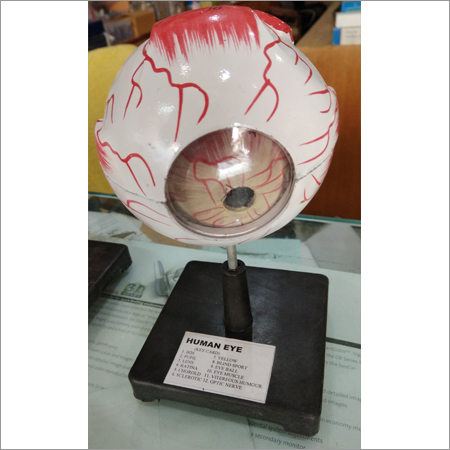
Tell us about your requirement

Price:
Quantity
Select Unit
- 50
- 100
- 200
- 250
- 500
- 1000+
Additional detail
Mobile number
Email

More Products in Biology Equipments Category
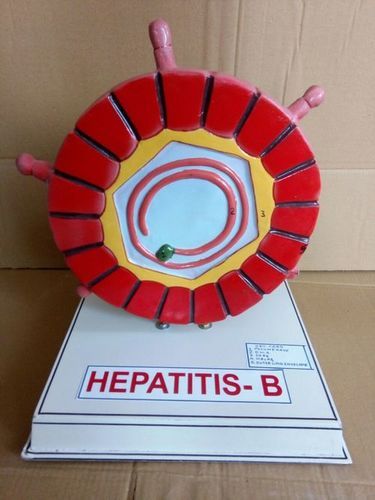
Hepatitis-B
Price 3500 INR
Minimum Order Quantity : 10 Units
Function : Light Weight
Use : For Biology Use
Color : Red, Pink and White
Material : Plastic
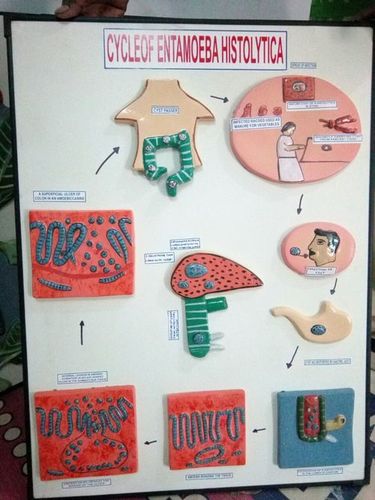
CYCLE OF ENTAMEOBA
Minimum Order Quantity : 10 Units
Function : Light Weight
Use : For Biology Use
Color : White, Orange and Red
Material : Thermocol
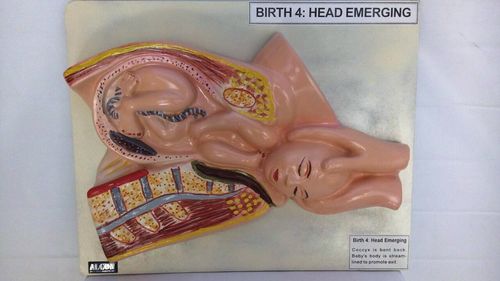
Birth 4 Head Emerging Model
Price 3500 INR
Minimum Order Quantity : 10 Units
Function : Light Weight
Use : For Biology Use
Color : Yellow and Skincolor
Material : Plastic
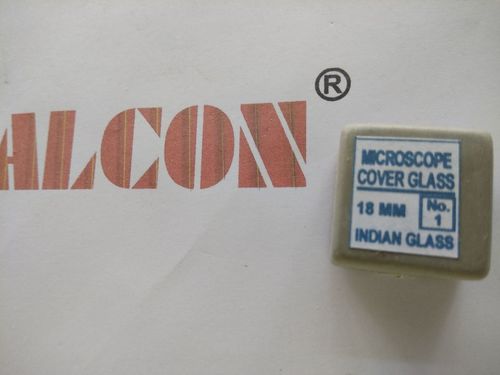
Microscope Cover Glass
Price 2800 INR
Minimum Order Quantity : 10 Units
Function : Light Weight
Use : For Biology Use
Color : Transparent
Material : Plastic

 Send Inquiry
Our Products
- Agriculture Testing Equipment
- Models of Animal Husbandry
- Biology Equipments
- Chemistry Equipments
- Forensic Departmant Equipments
- Geographical Items
- Mathematics Equipment
- Medical Equipment
- Pharmacy Equipment
- Physics Equipment
- Models of Sanitary Department
- Models of Solar Equipment
- Survey Equipment
- Visual Aids
- Electronics Lab Equipments
- Laboratory and Scientific Equipment
- Hospital Furniture
- Lab Ovens
- Centrifuge
- Incubator
- Glassware
- Microscope
- Engineering Lab Equipment


4375, Science Market,Ambala Cantt - 133001, Haryana, India

Mr Umesh Gupta
(Proprietor)
Mobile :08045478631
 Send Inquiry
 Send SMS
 Call Me Free
Developed and Managed by Infocom Network Private Limited.
