
Call us now :08045478631
 Send Inquiry
 Send Inquiry
Bottle Washing Machine
MOQ : 10 Pieces
Bottle Washing Machine Specification
- Power Supply
- Electric / 3 Phase
- Usage
- Laboratory
- Voltage
- 220-380 Volt (v)
- Power Consumption
- Approx. 2-5 kW, depending on model
- Product Type
- Washing Machine
- Material
- Stainless Steel Body
- Size
- Custom Sizes Available / Standard: Suitable for Lab glass bottles
- Style
- Floor Mounted
- Weight
- 500-1200 Kilograms (kg)
- Feature
- Automatic Operation, Multi-bottle Holder, High Pressure Jet Wash, Durable Finish
- Color
- Silver and Green
- Safety Feature
- Emergency Stop Button, Overload Protection
- Maintenance
- Low Maintenance, Easy Access Panels
- Washing Cycle Time
- 5-10 Minutes
- Water Consumption
- Approximately 60-120 Liters per Hour
- Capacity
- 12-30 Bottles per Cycle
- Controls
- PLC Controlled (Optional)
- Temperature Range
- Ambient to 80°C
- Cleaning Method
- Rotary Jet System, Multiple Spray Nozzles
- Noise Level
- Below 70 dB
- Automation Grade
- Semi-Automatic / Fully Automatic
- Installation
- On-site Installation Available
- Application
- Suitable for laboratory glassware, pharma bottles, chemical containers
Bottle Washing Machine Trade Information
- Minimum Order Quantity
- 10 Pieces
- Payment Terms
- Cash Advance (CA), Telegraphic Transfer (T/T), Cash in Advance (CID), Cheque
- Supply Ability
- 10 Pieces Per Day
- Delivery Time
- 2-3 Days
- Sample Available
- Yes
- Sample Policy
- Sample costs shipping and taxes has to be paid by the buyer
- Packaging Details
- Box.
- Main Export Market(s)
- Western Europe, Australia, Eastern Europe, Middle East, Central America, Africa, South America, Asia, North America
- Main Domestic Market
- All India
About Bottle Washing Machine
A bottle washing machine is a device that is used to clean bottles and other containers used in industries such as food and beverage, pharmaceuticals, and cosmetics. The machine works by using a combination of water, detergent, and mechanical action to remove dirt, debris, and other contaminants from the bottles.
The process of cleaning bottles in a bottle washing machine typically involves several steps. First, the bottles are loaded onto a conveyor belt and fed into the machine. They are then pre-rinsed with water to remove any loose debris. Next, a detergent solution is sprayed onto the bottles, and they are scrubbed with brushes or high-pressure water jets to remove any remaining dirt or debris. After the bottles have been cleaned, they are rinsed again with water to remove any detergent residue. Finally, the bottles are dried using air or heat before being discharged from the machine.
Exceptional Cleaning Performance
Leveraging a rotary jet system with multiple high-pressure spray nozzles, this bottle washing machine ensures comprehensive and efficient cleaning of laboratory glassware, pharmaceutical bottles, and chemical containers. Each cycle is optimized to use between 60 to 120 liters of water per hour, supporting both heavy and routine cleaning tasks with ease.
Simple Operation and Reliable Safety
Suitable for both semi-automatic and fully automatic operations, the machine boasts user-friendly features like easy access panels, PLC controls (optional), and convenient multi-bottle holders. Safety is paramount, with emergency stop and overload protection, allowing uninterrupted, secure usage in demanding environments.
Flexible Installation and Maintenance
Available in floor-mounted style with customizable sizes and color options, this washer is designed for seamless on-site installation. Its low-maintenance build and robust stainless steel construction ensure longevity and easy upkeep, minimizing downtime for your laboratory or industrial facility.
FAQ's of Bottle Washing Machine:
Q: How does the bottle washing process work with this machine?
A: The machine uses a rotary jet system combined with multiple high-pressure spray nozzles to thoroughly clean bottles. Bottles are loaded into multi-bottle holders, and the user selects a washing cycle of 5 to 10 minutes. Depending on the configuration, the process can be semi-automatic or fully automatic, ensuring efficient and consistent results.Q: What types and sizes of bottles can this machine accommodate?
A: This washer is designed for laboratory glass bottles, pharmaceutical vessels, and chemical containers. It handles 12 to 30 bottles per cycle and can be customized to fit various bottle sizes, making it versatile for diverse laboratory and production needs.Q: When should the machine's maintenance be performed?
A: The washer is built for low maintenance, thanks to its durable stainless steel body and easy-access panels. Routine checks should be performed according to usage frequency-typically, a simple inspection after every few cycles and scheduled servicing as recommended by the manufacturer will ensure optimal performance.Q: Where can this bottle washing machine be installed?
A: The unit is floor-mounted and suitable for laboratories, pharmaceutical facilities, and chemical industry sites across India. On-site installation services are available to ensure correct setup and integration into existing workflows.Q: What are the main benefits of using this machine in a laboratory setting?
A: Key benefits include efficient cleaning with minimal manual labor, reduced water and power consumption, enhanced bottle hygiene via high-pressure jet wash, reliable safety features, and quiet operation below 70 dB. Its robust construction and low maintenance also contribute to long-term cost savings.Q: How is the temperature managed during the washing cycle?
A: The washing process supports a temperature range from ambient to 80C, allowing for customizable cleaning intensity. The user can set the required temperature depending on the bottle type and contamination level, maximizing both energy efficiency and cleaning outcome.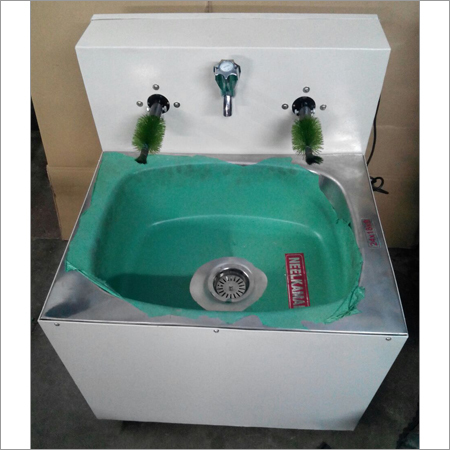
Tell us about your requirement

Price:
Quantity
Select Unit
- 50
- 100
- 200
- 250
- 500
- 1000+
Additional detail
Mobile number
Email

More Products in Pharmacy Equipment Category
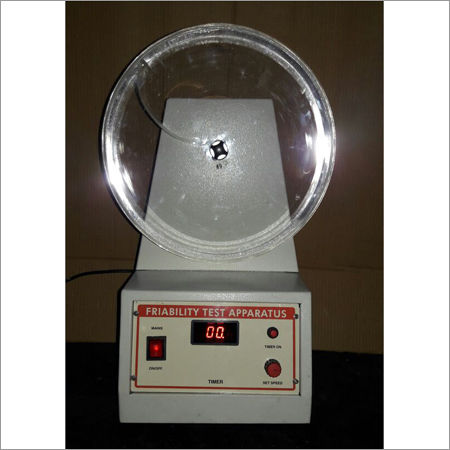
Friability Test Apparatus
Price 2800 INR
Minimum Order Quantity : 10 Pieces
Color : Cream
Feature : Digital counter, automatic stop, transparent acrylic drum
Voltage : 240 Volt (v)
Product Type : Test Apparatus
ENT Head Lamp
Price 1800 INR
Minimum Order Quantity : 10 Units
Color : Black
Feature : Easy to Operate
Voltage : 220V AC / 50Hz or 3V DC (Battery)
Product Type : ENT Head Lamp

Universal Vibration Apparatus
Price 3000 INR
Minimum Order Quantity : 1 Piece
Color : White
Feature : Modular setup for multiple vibration experiments
Voltage : 220V
Product Type : Universal Vibration
Tablet Hardness Tester Pfizer Type
Price 3500 INR
Minimum Order Quantity : 10 Units
Color : White
Feature : Easy to Operate
Voltage : Manual Operation (No Electric Supply Required)
Product Type : Tablet Hardness Tester

 Send Inquiry
Our Products
- Agriculture Testing Equipment
- Models of Animal Husbandry
- Biology Equipments
- Chemistry Equipments
- Forensic Departmant Equipments
- Geographical Items
- Mathematics Equipment
- Medical Equipment
- Pharmacy Equipment
- Physics Equipment
- Models of Sanitary Department
- Models of Solar Equipment
- Survey Equipment
- Visual Aids
- Electronics Lab Equipments
- Laboratory and Scientific Equipment
- Hospital Furniture
- Lab Ovens
- Centrifuge
- Incubator
- Glassware
- Microscope
- Engineering Lab Equipment


4375, Science Market,Ambala Cantt - 133001, Haryana, India

Mr Umesh Gupta
(Proprietor)
Mobile :08045478631
 Send Inquiry
 Send SMS
 Call Me Free
Developed and Managed by Infocom Network Private Limited.
